
What To Do After a Car Accident in Georgia (Step-by-Step Guide)
After a car accident in Georgia, prioritize safety by checking for injuries and calling 911 if needed. Exchange information with other drivers, take photos of the scene, gather witness contact details, and report the crash to law enforcement. Seek medical attention promptly, notify your insurance company, and keep records of all accident-related expenses to protect your claim.
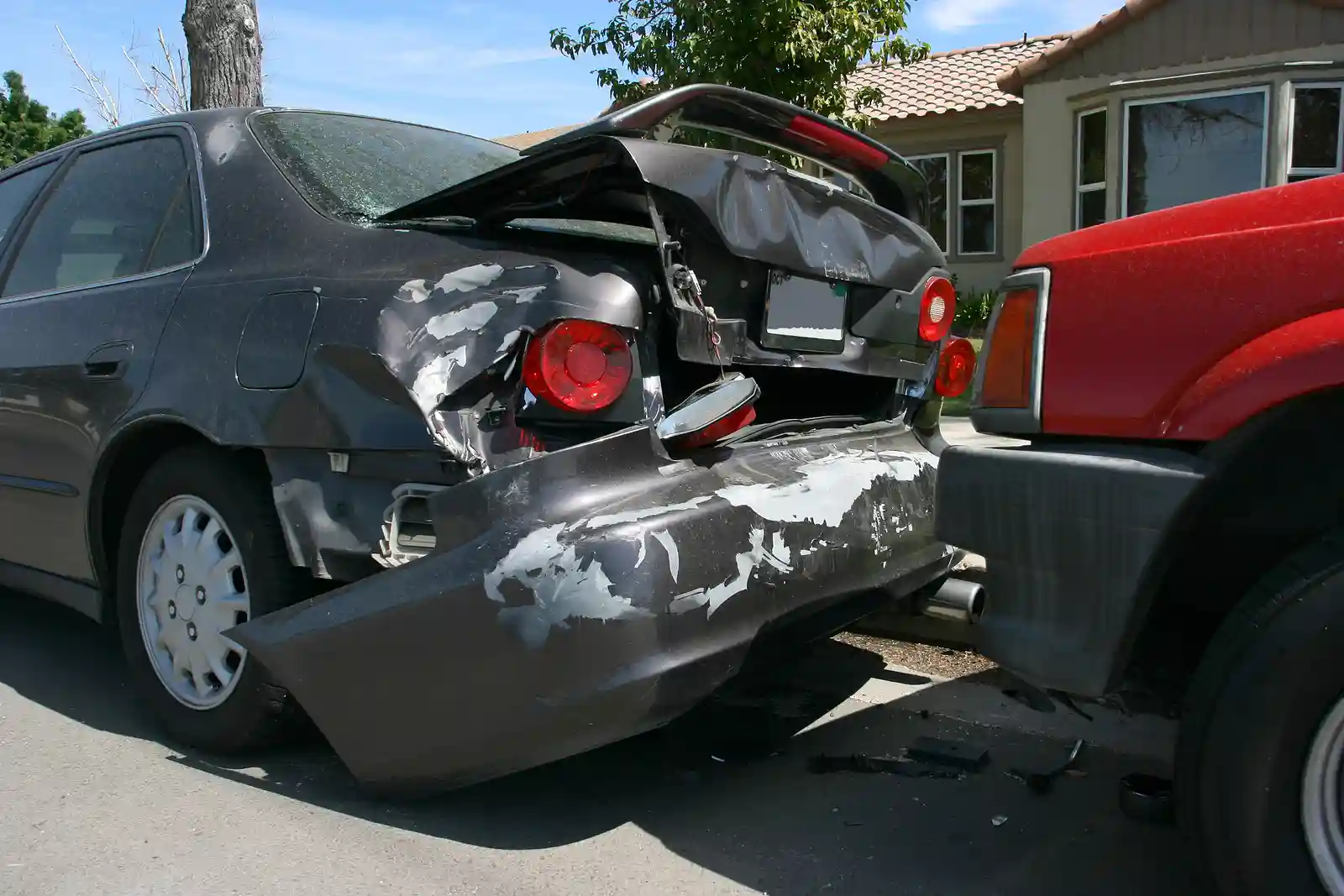
If you have been injured in a car accident in Georgia, the decisions you make immediately afterward can have lasting consequences. You may be dealing with pain, uncertainty, missed work, and pressure from insurance companies that begin evaluating claims almost immediately. Georgia law places specific duties on drivers after a collision, and failure to follow them can affect both your legal rights and your ability to recover compensation. A Georgia personal injury attorney can help you understand your rights and take the right steps after an accident. This step-by-step guide explains what to do after a car accident in Georgia and is provided by Butler Kahn, Atlanta trial lawyers who represent individuals injured in serious motor vehicle collisions throughout the state
Step One: Obtain Prompt Medical Evaluation
Your health must come first. If you are injured, call 911 or accept emergency medical assistance at the scene. Even if you believe your injuries are minor, you should still be examined by a medical professional as soon as possible. Injuries such as concussions, spinal trauma, and internal bleeding may not be immediately apparent. If you suffered a concussion or head injury, speak with our traumatic brain injury lawyers early to protect your claim
From a legal standpoint, prompt medical care creates objective documentation that connects your injuries to the crash. Insurance companies frequently argue that delayed treatment means an injury was not caused by the accident. Following medical advice and attending recommended follow-up care also shows that you are taking your recovery seriously.
Step Two: Remain at the Scene and Comply With Georgia Law
Georgia law requires drivers involved in a crash resulting in injury, death, or damage to an attended vehicle to immediately stop and remain at the scene. This obligation is set forth in O.C.G.A. § 40-6-270. The statute also requires drivers to provide identifying information and render reasonable assistance to injured persons, including arranging medical care when necessary.
Step Three: Notify Law Enforcement
Under O.C.G.A. § 40-6-273, drivers must promptly notify law enforcement when an accident results in injury, death, or apparent property damage of $500 or more. In most situations, calling 911 fulfills this requirement.
A police report documents critical details such as vehicle positions, road conditions, witness information, and initial statements. While the report does not determine fault by itself, it often becomes an important reference point during insurance negotiations or litigation, especially when understanding how police reports affect your Georgia car accident claim.
Learn how to get your Georgia police accident report online after the crash
Step Four: Preserve Evidence When Possible
If your physical condition allows, gather evidence at the scene. Take photographs of vehicle damage, debris, skid marks, traffic signals, and weather conditions. Photograph visible injuries. Obtain names and contact information for witnesses, as neutral third-party testimony can be influential later.
Exchange insurance and contact information with the other driver, but avoid discussing fault. Statements made at the scene can be misunderstood or used out of context. If you are unable to collect evidence yourself, ask someone you trust to help or write down what you remember as soon as possible.
Step Five: Exercise Caution When Dealing With Insurance Adjusters
You should notify your own insurance company that a crash occurred, but keep the discussion factual and limited. Avoid guessing or speculating about speed, distance, or what another driver may have seen.
You are not required to provide a recorded statement to the other driver’s insurance company. Adjusters are trained to ask questions designed to minimize payouts. Early settlement offers are often made before the full extent of injuries is known. Accepting such an offer usually requires signing a release that permanently ends your claim, even if future medical treatment becomes necessary.
Step Six: Understand Fault Under Georgia Law
Georgia applies a comparative negligence system under O.C.G.A. § 51-12-33. If you are partially responsible for a crash, your compensation may be reduced by your percentage of fault. If you are found to be 50 percent or more at fault, you are barred from recovering damages, which makes understanding how to determine fault in a Georgia car accident especially important
Because fault allocation directly affects recovery, evidence matters. Insurance companies often attempt to shift blame to reduce what they pay. Accident reconstruction, witness statements, and medical records may be needed to fairly evaluate responsibility.
Step Seven: Be Aware of the Legal Deadline
Most car accident injury claims in Georgia are subject to a two-year statute of limitations under O.C.G.A. § 9-3-33. This means a lawsuit must generally be filed within two years of the date of the accident. Waiting too long can result in the permanent loss of your right to pursue compensation, regardless of how strong the claim may be, which also raises the common question of how long does a personal injury case take in Georgia.
If someone was killed in the crash, surviving family members should consult our Experienced wrongful death lawyers in Georgia — the same two-year clock applies from the date of death. You can also review the Georgia wrongful death statute explained to better understand your rights and the deadlines involved.
Keep detailed records of medical bills, prescriptions, physical therapy, and any assistive devices you need to fully understand what are medical expenses in a personal injury claim. Save documentation showing missed work, reduced hours, or diminished earning capacity to support your claim for car accident compensation in Georgia. Maintain notes describing pain levels, sleep disruption, and limitations on daily activities. For guidance on handling vehicle repairs or a total-loss claim alongside your injury case, refer to the Georgia Car Damage Manual
These details help demonstrate how the injury affects your life beyond the initial emergency treatment. Consistent documentation can be critical when negotiating with insurers or presenting a claim in court.
Contact Atlanta Georgia Car Accident Lawyer
If you were injured in a car accident in Georgia, understanding your rights before making decisions is essential. The Atlanta car accident lawyers at Butler Kahn focus exclusively on representing injured individuals, not insurance companies. To discuss your legal rights and options, contact Butler Kahn by calling (678) 940-1444 or contacting us online for a free consultation.


Matt Kahn is an Atlanta personal injury lawyer and a partner at the law firm Butler Kahn. Matt has dedicated his career to fighting for individuals and families who had been harmed by the negligence of others. At Butler Kahn, he has had the honor of helping families who have lost children in motor vehicle accidents and people who were critically injured. He helped a family secure a $45 million settlement to provide lifetime care for their son, who was critically injured in a motorcycle accident, a $40 million settlement in a guardrail case, a $30 million settlement in a pedestrian case, a $3.5 million settlement in a sexual assault case. Matt is a graduate of Emory University School of Law and has been recognized as a Super Lawyers’ Rising Star and by Best Lawyers as One to Watch. He has received an Avvo 10.0 Top Attorney rating. Connect with me on LinkedIn
- Airplane Accident
- Auto Accident
- Back Injury
- Bicycle Accident
- Boating Accident
- Brain Injury
- Bus Accident
- Car Accident
- Civil Rights
- Court System
- Crime Victims
- Crosswalk Accident
- Dog Bite
- Drunk Driving
- DrunkDriving
- Elder Abuse
- Firm News
- Georgia
- Insurance
- Jeep Fire
- Lawyers
- Liability
- Medical Malpractice
- Motorcycle Accident
- Negligence
- Nursing Home Abuse
- Pedestrian
- Personal Injury
- Product Liability
- Rape
- Ride Share
- Scholarship
- School Injury
- Sexual Assault
- Slip and fall
- Truck Accident
- Uncategorized
- Work Accident
- Wrongful Death
 Contact Us Now







Lawrenceville, GA 30046


Jonesboro, GA 30236