Roswell Drowning Accident Lawyer

Roswell Drowning Accident Lawyer
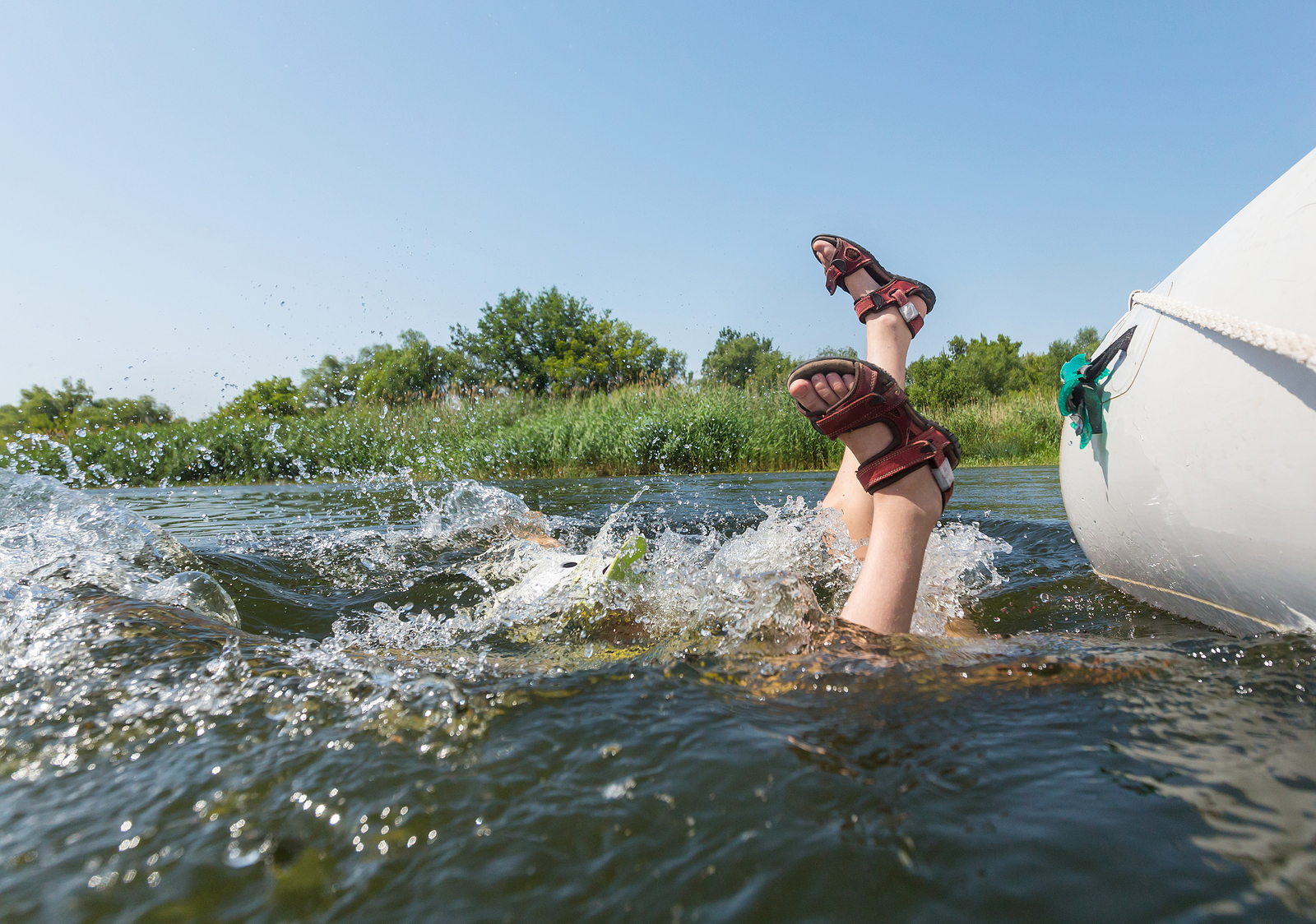
A drowning can leave you shaken, angry, and overwhelmed all at once—especially when it happens close to home in Roswell, whether that’s a neighborhood pool, an apartment complex, a hotel, or along the Chattahoochee. In a matter of moments, you can be facing ICU decisions, long-term brain injury concerns, or the unthinkable loss of someone you love. When that happens, you need more than sympathy—you need a law firm that is ready to dig in, move fast, and hit back when insurers start looking for excuses. Butler Kahn is built for serious cases, with experienced trial lawyers, strong client ratings, and a track record that includes multiple multi-million dollar verdicts and settlements. In the sections that follow, Butler Kahn breaks down how drowning accidents happen in Roswell, who may be responsible, what legal options you have, what compensation may be available, and how a Roswell drowning accident lawyer can take the fight off your shoulders and pursue accountability.


    Butler Kahn’s experienced drowning attorneys are ready to take immediate action after a serious drowning in Roswell. Our firm has earned statewide recognition and secured many multi-million dollar results. A lot of lawyers can fight. Our lawyers win. Contact Butler Kahn by calling (678) 940-1444 or contacting us online for a free consultation.

    Why Drowning Cases Are Legally Complex

    Drowning accident claims often involve:

    • Multiple liable parties (owners, managers, companies)
    • Safety regulation violations
    • Surveillance and incident evidence that disappears quickly
    • Medical complexity (brain injury, oxygen deprivation)
    • Aggressive insurance defense tactics

    These cases demand both legal precision and fast action.

    Common Causes of Drowning Accidents

    Drowning incidents in Roswell are often caused by preventable safety failures:

    • Lack of supervision (especially involving children): Many drowning accidents happen when there is not enough supervision, especially for children. Even a brief moment without attention can allow a child to slip underwater unnoticed.
    • Missing pool barriers or broken gates: Pools should have proper fencing and secure gates to prevent unsupervised access. When barriers are missing or broken, it becomes much easier for children or others to enter the pool area and face danger.
    • No lifeguards or inadequate staffing: In places where lifeguards are expected, a lack of trained supervision increases the risk of drowning. Without someone actively watching, it may take longer to notice and respond to someone in distress.
    • Slippery surfaces or unsafe pool design: Wet and slippery areas around pools can cause falls into the water. Poor design, such as lack of handrails or uneven surfaces, can also create dangerous conditions.
    • Alcohol use near water: Alcohol can impair judgment, coordination, and reaction time. When people drink near water, they are more likely to take risks or be unable to respond properly in an emergency.
    • Strong river currents or sudden drop-offs: Natural bodies of water like rivers can be unpredictable. Strong currents or sudden changes in depth can quickly pull someone under or make it difficult to stay afloat.
    • Defective pool equipment or drains: Faulty equipment, such as broken drains or malfunctioning safety features, can create serious hazards. In some cases, strong suction from drains can trap swimmers underwater.

    Major Types of Drowning Accidents in Roswell Georgia

    • Active Drowning — This is the rapid, visible struggle that happens when you cannot keep your airway above water. A person is usually vertical, pressing down with their arms, trying to breathe but unable to shout. It rarely looks dramatic. There is often no waving or loud splashing. In a Roswell backyard pool or crowded recreation area, the struggle may last less than a minute before the person slips under. Because it is fast and often silent, you may mistake it for someone simply playing in the water.
    • Passive Drowning — Here, little or no movement alerts you that something is wrong. The person may already be unconscious, exhausted, injured, or unable to swim. Children are especially vulnerable because they can quietly submerge within seconds. At apartment complexes, hotel pools, neighborhood swim clubs, and private homes throughout Roswell, this type is especially dangerous because there is no obvious distress. You may look away briefly and return to find the person underwater without ever hearing a sound.
    • Nonfatal Drowning With Immediate Respiratory Distress — In some cases, the person survives the initial submersion but struggles to breathe right away. You may see gasping, persistent coughing, chest tightness, or visible panic. Water in the lungs interferes with oxygen exchange, which can quickly become life-threatening. Emergency medical care is critical. Even if the person is awake and talking, oxygen levels can drop suddenly. In Roswell emergency rooms, doctors treat this as a serious medical crisis because complications can escalate quickly.
    • Nonfatal Drowning With Delayed Breathing Complications — Sometimes symptoms develop hours after the water incident. You might notice ongoing coughing, unusual fatigue, shortness of breath, fever, or behavioral changes in a child. Media outlets often use terms like “secondary drowning,” but medical professionals classify this under nonfatal drowning with respiratory injury. The concern is inflammation or fluid buildup in the lungs after water aspiration. If you see worsening symptoms later in the day after a Chattahoochee River outing or pool accident in Roswell, immediate medical evaluation is necessary.
    • Airway Spasm After Water Exposure — Water contacting the throat can trigger a reflex that temporarily closes the airway, a condition known medically as laryngospasm. News reports sometimes label this “dry drowning,” but doctors focus on the actual breathing impairment rather than using that term as a separate diagnosis. Even without large amounts of water in the lungs, oxygen deprivation can occur. If breathing difficulty begins shortly after a water scare, urgent medical care is required to determine the cause and stabilize oxygen levels.
    • Fatal Drowning — When oxygen deprivation continues too long, the result can be death. Brain injury can begin within four to six minutes without adequate oxygen. Fatal drownings in Roswell Georgia most commonly occur in private residential pools, unsupervised swim settings, and natural waterways like the Chattahoochee River. These incidents often happen quickly and without warning. Determining exactly how long submersion occurred and what rescue efforts were made typically requires careful review of emergency response records and medical findings.
    • Nonfatal Drowning With Permanent Brain Injury — Survival does not guarantee recovery. If your brain is deprived of oxygen, long-term damage may occur even after resuscitation. You could face memory loss, speech impairment, reduced motor control, cognitive decline, seizures, or the need for lifelong medical support. Some victims require extensive rehabilitation, assistive devices, or full-time care. The long-term outcome depends on how quickly oxygen was restored and the quality of emergency intervention. A comprehensive neurological evaluation is usually needed to assess prognosis and future care needs.

    Long-Term Impact of Near-Drowning Incidents

    Even when a victim survives, the consequences can last a lifetime:

    • Permanent brain damage due to oxygen deprivation
    • Cognitive decline and memory loss
    • Speech and motor impairment
    • Need for long-term rehabilitation or assisted care
    • Emotional and psychological trauma

    Injuries You Can Suffer in a Roswell Georgia Drowning Accident

    • Brain Damage From Lack of Oxygen — When your brain is deprived of oxygen for even a few minutes, serious injury can occur. Brain injuries may lead to memory loss, learning difficulties, or permanent cognitive impairment.
    • Lung Injury and Breathing Failure — Water entering your lungs can cause inflammation, infection, or fluid buildup. You may experience respiratory distress that requires hospitalization, ventilation, or long-term pulmonary care.
    • Heart Complications After SubmersionOxygen loss places extreme strain on your heart. Irregular heartbeat, cardiac arrest, or other cardiovascular problems can develop during or after a drowning incident.
    • Hypothermia and Organ StressCold water exposure can rapidly lower your body temperature. This can worsen shock, impair muscle control, and create additional strain on vital organs.
    • Long-Term Neurological Impairment — Even if you survive, you may face lasting problems with speech, movement, coordination, or daily functioning. Rehabilitation and ongoing therapy are often necessary.
    • Emotional Trauma and Psychological Harm — A drowning event can leave you with severe anxiety, depression, or PTSD. Families and survivors often struggle with lasting fear and emotional distress.

    Drowning Accident Hotspots in Roswell Georgia

    • Public and Community Pools in Roswell — The Roswell Area Park Pool and the Roswell Adult Aquatics Center attract heavy use during the summer and throughout the year. Crowded open swims, lessons, and swim team activities can increase the risk that someone in distress goes unnoticed. Neighborhood swim and tennis clubs in communities like Martin’s Landing, Brookfield Country Club, Cambridge, Edenwilde, and Horseshoe Bend operate seasonal pools where supervision levels vary.
    • Apartment and HOA Pools Across Roswell — Many apartment complexes and subdivisions throughout East Roswell, Downtown Roswell, and surrounding areas maintain private pools for residents. These pools often do not have lifeguards. Unsecured gates, nighttime swimming, and distracted supervision can quickly create dangerous conditions.
    • Hotel and Fitness Center Pools — Hotels along Holcomb Bridge Road and throughout Roswell commonly offer indoor or outdoor pools used by traveling families. Fitness centers and private athletic clubs also maintain lap and recreation pools. Monitoring may be limited, especially during off-peak hours.
    • Riverside Park and Riverfront AreasRiverside Park provides direct access to the Chattahoochee River, including docks and launch areas. Moving water, slippery surfaces, and changing river levels increase the risk of accidental submersion.
    • Don White Memorial Park, Azalea Park, and the Roswell Riverwalk — These popular riverfront spots draw swimmers, tubers, and families. The Chattahoochee River can appear calm while hiding strong currents, sudden drop-offs, and unstable footing.
    • Creeks and Retention Ponds — Smaller creeks, drainage ponds, and decorative water features throughout Roswell also present risk. Even shallow water can become deadly in seconds without close supervision.

    Most Dangerous Conditions Around Water

    Certain conditions dramatically increase drowning risk:

    • Poor lighting or nighttime swimming: Swimming in low-light conditions makes it harder to see what is happening in and around the water. This can delay noticing someone in distress and slow down rescue efforts.
    • Lack of warning signs: Warning signs are important for alerting people to risks such as deep water, slippery areas, or strong currents. Without clear signs, people may unknowingly enter dangerous situations.
    • Overcrowded pools: When pools are crowded, it becomes difficult to keep track of everyone. A person in trouble can easily go unnoticed in a busy environment, increasing the risk of drowning.
    • No emergency equipment (life rings, alarms): Emergency equipment like life rings, reaching poles, or alarms can save lives in critical moments. Without these tools, it may be harder to respond quickly when someone needs help.
    • Inadequate fencing or unlocked gates: Proper fencing and locked gates help prevent unsupervised access to pools. When these safety measures are missing or not secured, children and others can enter the area and face serious danger.

    Who May Be Liable for a Drowning Accident in Roswell Georgia

    • Pool and Property Owners Under Premises Liability Law — If your drowning happened at a home pool, HOA pool, apartment complex, hotel, or swim club, the owner or occupier may be responsible under O.C.G.A. § 51-3-1, which requires ordinary care to keep the property safe for invitees. If you were treated as a licensee, O.C.G.A. § 51-3-2 may apply. If trespassing is alleged, duties are addressed under O.C.G.A. § 51-3-3. Georgia’s attractive nuisance doctrine can also apply when children gain access to unsecured pools.
    • Pool Operators and Management Companies — If a company maintained the pool, controlled access, or failed to provide proper safety measures, it may be liable under Georgia negligence principles, including O.C.G.A. § 51-1-2 and O.C.G.A. § 51-1-6, which allow recovery when a legal duty is breached.
    • Public Pool Safety Rules — Many Roswell pools are subject to Georgia public swimming pool regulations in Ga. Comp. R. & Regs. r. 511-3-5, which set safety requirements for regulated pools, spas, and water parks.
    • Boat and Watercraft Operators on the Chattahoochee River — If the drowning involved boating or tubing activity, liability may arise under Georgia’s boating laws, including O.C.G.A. § 52-7-12 (boating under the influence) and O.C.G.A. § 52-7-12.1 (reckless operation).
    • Defective Pool Products or Safety Equipment — If faulty drains, alarms, gates, or other products contributed, manufacturers may be liable under Georgia product liability law, O.C.G.A. § 51-1-11.
    • Shared Fault and Blame-Shifting — Georgia divides responsibility under O.C.G.A. § 51-12-33, which can reduce recovery if defendants argue you share fault.
    • Time Limits to File Your Case — Most drowning injury and wrongful death lawsuits must be filed within two years under O.C.G.A. § 9-3-33. If the case involves the City of Roswell, ante litem notice may be required within six months under O.C.G.A. § 36-33-5, and claims against the State often require notice within 12 months under O.C.G.A. § 50-21-26.

    Compensation in Drowning Accident Cases

    You may be entitled to recover:

    • Emergency and ICU medical costs: You may be able to recover the cost of urgent medical care following the incident, including ambulance services, emergency treatment, and intensive care. These expenses are often significant, especially in severe drowning cases.
    • Long-term rehabilitation and care: Survivors of drowning incidents may require ongoing care, such as physical therapy, respiratory treatment, or neurological rehabilitation. Compensation can help cover these long-term recovery needs.
    • Lost income and future earnings: If the injury prevents you from working, you can seek compensation for the income you have already lost. If your ability to earn in the future is affected, you may also recover damages for reduced earning potential.
    • Pain and suffering: This covers the physical pain and discomfort caused by the incident and its aftermath. It also reflects how the injury has affected your daily life and overall well-being.
    • Disability and life-care costs: In serious cases, drowning can lead to permanent disability. Compensation may include the cost of ongoing care, assistive devices, and support needed for daily living.
    • Funeral and wrongful death damages: If a drowning accident results in death, families may pursue compensation for funeral expenses, loss of financial support, and the emotional impact of losing a loved one.

    How a Roswell Georgia Drowning Accident Attorney Helps You Recover Compensation

    • Acting Fast to Preserve Local Evidence — When a drowning happens at a Roswell home pool, apartment complex, hotel, swim club, or along the Chattahoochee River, evidence can disappear quickly. Your lawyer moves fast to secure surveillance footage, maintenance records, incident reports, and emergency response records tied to that specific Roswell location.
    • Investigating Pool and River Safety Failures — A Roswell drowning accident attorney investigates by reviewing fencing, locked gates, drain covers, lifeguard staffing, warning signs, and compliance with Georgia public pool rules. In river cases, your attorney examines boating activity, supervision, and conditions at access points like Riverside Park or Don White Memorial Park.
    • Dealing With Insurance Companies — Homeowners, HOAs, apartment complexes, and commercial properties often rely on insurance carriers that try to minimize payouts. Your lawyer handles all communication, pushes back against blame-shifting, and negotiates aggressively for full compensation.
    • Filing Suit and Proving Catastrophic Harm — If settlement is not fair, your attorney files suit in Fulton County and works with medical and water-safety experts. Drowning cases are different from routine injury claims because oxygen deprivation often causes permanent brain damage or death.
    • Damages Your Lawyer Pursues — In nonfatal cases, this includes ICU costs, rehabilitation, long-term care, lost income, and pain and suffering. In fatal cases, your lawyer seeks funeral expenses and the full value of the victim’s life under Georgia wrongful death law.

    Why Choose Butler Kahn for a Drowning Case

    Drowning cases are among the most catastrophic personal injury claims—and they require immediate, aggressive legal action.

    • ✔ Proven multi-million dollar verdicts and settlements
    • ✔ Trial-ready legal strategy from day one
    • ✔ Deep experience in catastrophic injury and wrongful death
    • ✔ Access to medical experts, safety professionals, and investigators
    • ✔ Strong client reputation and statewide recognition

    We don’t prepare cases to settle—we prepare them to win.

    Contact Roswell Georgia Drowning Accident Lawyers

    If you or someone you love has been affected by a drowning in Roswell, you need more than a law firm that simply “handles” injury cases—you need a team built for high-stakes litigation. Butler Kahn’s experienced drowning attorneys focus on serious injury and wrongful death cases, and we prepare every case as if it may go to trial. Our firm has secured many multi-million dollar verdicts and settlements, and has earned recognition from the National Law Journal as Top 50 Elite Trial Lawyers Georgia Trend as Legal Elite, and the National Trial Lawyers Top 100. We take a limited number of cases so we can devote real time, resources, and courtroom strength to each client. A lot of lawyers can fight. Our lawyers win. Contact Butler Kahn by calling (678) 940-1444 or contacting us online for a free consultation with one of our Roswell drowning accident attorneys

    FAQ's About Roswell Drowning Accident

    A drowning emergency in Roswell Georgia often looks silent: head low in water, gasping for air, no kicking, little splashing despite serious distress signs nearby.

    Telephone Contact Us Now
    For Legal Help
    678-940-1444 Free Consultation

    This field is for validation purposes and should be left unchanged.
    Get a Free Consultation
    Agree To Terms(Required)

    Lawrenceville Office
    245 W. Crogan Street
    Lawrenceville, GA 30046
    Roswell Office
    1255 Canton St UNIT E
    Roswell, GA 30075
    Jonesboro Office
    21 Lee Street, Suite 250
    Jonesboro, GA 30236