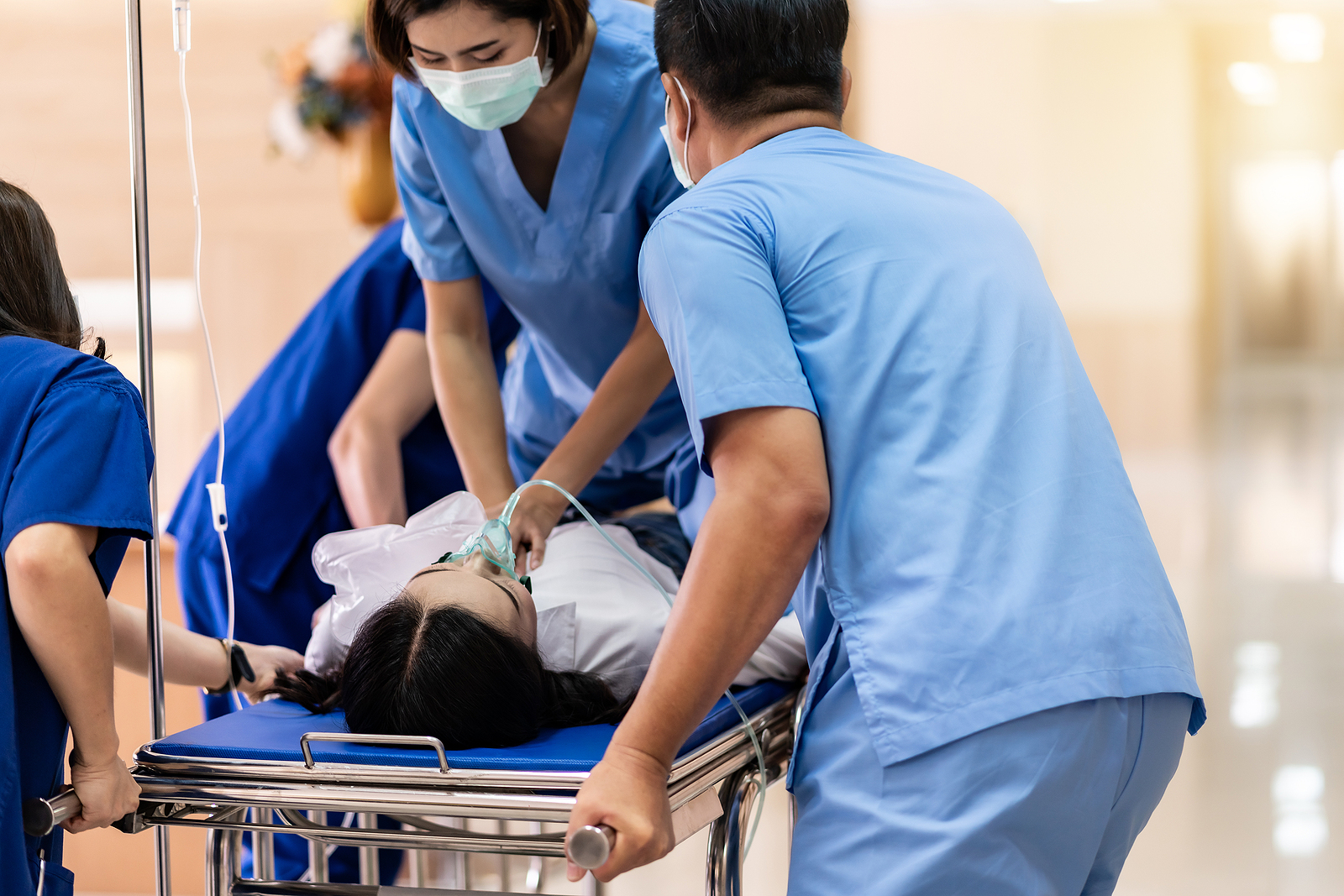
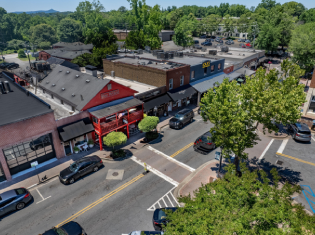
A catastrophic injury is not a setback—it is a permanent disruption to your body, your independence, and your future. You may be dealing with spinal cord damage, traumatic brain injury, or another condition that will affect every part of your life long after the accident itself. While Roswell continues to move forward, you may be forced to rethink how you work, care for yourself, and support your family. In this piece, Butler Kahn explains critical information about catastrophic injury cases, including how these injuries happen, who may be held responsible, the legal paths available to victims, the types of financial recovery that may be pursued, and how a Roswell catastrophic injury lawyer can fight on your behalf to pursue accountability and justice.
A catastrophic injury case in Roswell involves a severe, permanent injury that significantly impairs bodily function, independence, or long-term earning ability. These cases often require proof of lifelong medical care, reduced earning capacity, and future damages under Georgia’s negligence and liability law.
Catastrophic Injury Lawyer in Roswell
If you are living with a catastrophic injury that will affect you for the rest of your life, you need legal help right away. The experienced personal injury attorneys at Butler Kahn handle serious, high-stakes cases and are prepared to step in immediately. To discuss your legal rights and options, contact Butler Kahn by calling (678) 940-1444 or contacting us online for a free consultation.
Understanding What Counts as a Catastrophic Injury in Roswell Georgia
Traumatic Brain Injuries (TBI) — These injuries occur when a sudden impact or violent motion causes the brain to strike the inside of the skull. You may struggle with memory loss, impaired judgment, mood changes, speech difficulties, or an inability to concentrate. Severe TBIs often prevent you from returning to work or maintaining relationships and may require lifelong therapy, supervision, and medical treatment.
Spinal Cord Injuries and Paralysis — Trauma to the spinal cord can permanently disrupt signals between your brain and body. You may experience partial or complete paralysis, loss of sensation, bowel or bladder dysfunction, chronic pain, and dependence on mobility aids or caregivers. These injuries almost always create permanent lifestyle changes and long-term medical needs.
Severe Burns and Permanent Disfigurement — Burns that damage multiple layers of skin or affect sensitive areas of the body can result in lasting pain, nerve damage, restricted movement, and visible scarring. Recovery often includes multiple surgeries, skin grafts, infection treatment, and psychological care to address trauma and self-image changes.
Amputations and Devastating Crush Injuries — When an accident destroys tissue, bones, or blood flow beyond repair, limb loss may be necessary to save your life. Even with advanced prosthetics, you may face permanent limitations, repeated surgeries, phantom pain, and ongoing challenges with employment and independence.
Severe Internal Organ Damage — High-impact trauma can seriously injure organs such as the liver, lungs, spleen, heart, or kidneys. These injuries may not be immediately visible but can lead to internal bleeding, organ failure, chronic medical conditions, or the need for lifelong monitoring and treatment.
Loss of Vision or Hearing — Damage to the eyes, optic nerves, ears, or auditory nerves can permanently impair or eliminate sight or hearing. These losses affect your ability to work, communicate, drive, and navigate daily life, often requiring assistive technology and specialized care.
Catastrophic Birth Injuries — Injuries caused during labor or delivery can leave a child with lifelong physical or cognitive disabilities. Conditions involving oxygen deprivation or trauma to the brain and nervous system often require continuous medical treatment, therapy, adaptive equipment, and long-term financial planning for the family.
Common Causes of Catastrophic Injuries in Roswell Georgia
High-Speed Motor Vehicle Collisions — Serious crashes involving cars, motorcycles, commercial trucks, or pedestrians often generate extreme force. You may suffer catastrophic injuries when vehicles collide at highway speeds or when safety systems fail to prevent a violent impact.
Commercial Truck and Bus Accidents — Large commercial vehicles can cause devastating harm due to their size and weight. When a truck crash occurs, the sheer force involved frequently results in life-altering injuries rather than minor or moderate harm.
Construction and Industrial Accidents — Worksites with heavy machinery, power tools, scaffolding, and elevated work areas pose a high risk for catastrophic injuries. Falls, equipment malfunctions, and structural failures can leave you permanently disabled in seconds.
Serious Falls From Heights — Falling from ladders, roofs, stairwells, or elevated platforms can cause spinal injuries, traumatic brain injuries, and multiple fractures. These incidents are especially dangerous when no protective systems are in place.
Machinery and Equipment Malfunctions — Defective or improperly maintained machines can crush limbs, amputate extremities, or cause severe internal injuries. These incidents often occur suddenly and leave little opportunity to avoid harm.
Explosions, Fires, and Electrical Incidents — Fires, gas explosions, and electrical events can result in severe burns, organ damage, or fatal trauma. These incidents often cause multiple catastrophic injuries at once, compounding recovery challenges.
Violent or High-Impact Events — Acts of violence or other extreme force incidents can result in permanent physical and psychological injuries. The damage often extends far beyond the initial trauma and affects every aspect of your daily life.
Where Catastrophic Injuries Happen in Roswell Georgia
Major Roads and Traffic Corridors in Roswell — Busy roadways like Georgia 400, Holcomb Bridge Road, Alpharetta Highway, and Old Alabama Road see heavy daily traffic, including commuters and commercial vehicles. High speeds, congestion, and frequent intersections increase the risk of severe, life-altering crashes.
Construction Zones and Development Areas — Roswell continues to grow, with ongoing residential and commercial construction throughout the city. Active construction sites near downtown Roswell and expanding mixed-use developments expose workers and the public to hazards such as falls, heavy machinery, and structural failures.
Workplaces and Industrial Properties — Warehouses, manufacturing facilities, and service centers in and around Roswell can present dangerous conditions involving equipment, forklifts, loading docks, and repetitive heavy labor. Serious injuries often occur when something goes wrong in these environments.
Shopping Centers and Commercial Properties — High-traffic areas like retail plazas, grocery stores, and entertainment venues attract large crowds daily. Falls, structural hazards, and vehicle-pedestrian incidents in parking lots can result in catastrophic injuries, especially for older adults.
Apartment Complexes and Residential Communities — Multi-unit housing throughout Roswell often includes stairwells, balconies, walkways, and shared amenities. When these areas are poorly designed or maintained, severe falls and other serious injuries can occur.
Parks, Trails, and Recreational Areas — Popular outdoor spaces such as the Chattahoochee River National Recreation Area, Big Creek Greenway access points, and local parks draw walkers, cyclists, and families. High-traffic recreational use increases the risk of traumatic injuries involving falls, bicycles, or vehicles.
Who May Be Legally Responsible for Your Catastrophic Injury in Roswell Georgia
Negligent Drivers Under Georgia Law — If another driver caused your catastrophic injury, they may be legally responsible for failing to use ordinary care. Georgia defines negligence under O.C.G.A. § 51-1-2, which applies to conduct such as speeding, distracted driving, impaired driving, or reckless behavior that leads to permanent harm.
Employers and Companies for Employee Conduct — When the person who injured you was working at the time, their employer may also be held responsible. Georgia law holds employers liable for negligent acts committed within the scope of employment under O.C.G.A. § 51-2-2.
Truck Drivers and Trucking Companies — Catastrophic truck crashes often involve more than one responsible party. Liability may extend to the driver, the trucking company, or others involved in operating or maintaining the truck. These cases rely on Georgia negligence law, including O.C.G.A. § 51-1-2, and industry safety duties.
Property Owners Under Georgia Premises Liability Law — If your catastrophic injury occurred on someone else’s property, the owner or occupier may be liable under O.C.G.A. § 51-3-1, which requires property owners to use ordinary care to keep their premises and approaches safe for invited guests.
Manufacturers of Defective Products — When a defective product causes a catastrophic injury, the manufacturer may be strictly liable under O.C.G.A. § 51-1-11. This law applies to defects in design, manufacturing, or warnings that result in severe injury.
Product Sellers and Retailers — Georgia limits when sellers can be treated like manufacturers. O.C.G.A. § 51-1-11.1 explains when a product seller may be held responsible, depending on the seller’s role in placing the product into the market.
Bars and Alcohol Providers — In certain catastrophic injury cases involving drunk driving, a bar or restaurant may be liable under Georgia’s dram shop law, O.C.G.A. § 51-1-40, when alcohol is knowingly served to a noticeably intoxicated person.
Medical Providers in Catastrophic Malpractice Cases — If your injury resulted from medical negligence, Georgia medical malpractice law applies. These claims are governed by O.C.G.A. § 9-3-71, along with procedural requirements under O.C.G.A. § 9-11-9.1.
Time Limits to File a Catastrophic Injury Case in Georgia — Most catastrophic injury claims must be filed within two years under O.C.G.A. § 9-3-33. Medical malpractice cases also follow a two-year deadline, with a five-year statute of repose under O.C.G.A. § 9-3-71.
How Georgia Law Governs Catastrophic Injury Claims
Catastrophic injury claims in Georgia are governed by statutes, including:
O.C.G.A. § 51-1-2 (Negligence)
O.C.G.A. § 51-2-2 (Employer liability)
O.C.G.A. § 51-3-1 (Premises liability)
O.C.G.A. § 51-1-11 (Product liability)
O.C.G.A. § 51-1-40 (Dram shop law)
O.C.G.A. § 9-3-33 (General injury statute of limitations)
Understanding how these statutes interact is critical in high-value catastrophic injury litigation.
The Financial Impact of a Catastrophic Injury
Catastrophic injury compensation may include:
Lifetime medical care: Catastrophic injuries often require continuous treatment for the rest of your life. This may include ongoing physician visits, specialist care, prescription medications, physical therapy, occupational therapy, and long-term monitoring. Courts allow recovery for reasonably certain future medical expenses when supported by medical expert testimony.
Future surgeries and rehabilitation: Severe injuries frequently require multiple surgeries over time, along with extended rehabilitation. This can include spinal procedures, reconstructive surgeries, prosthetic adjustments, or neurological treatment. Compensation accounts not only for the procedures themselves but also for hospital stays, anesthesia, follow-up care, and therapy.
In-home nursing assistance: Some catastrophic injuries leave individuals unable to bathe, dress, cook, or manage daily tasks independently. Damages may include the cost of skilled nursing care, home health aides, or personal attendants needed for daily living, whether part-time or full-time.
Lost earning capacity: If your injury permanently limits your ability to work, damages may include the loss of future income you reasonably would have earned. This is different from short-term lost wages. Economists and vocational experts often calculate projected lifetime earnings based on your education, career path, and work history.
Home and vehicle modifications: Severe injuries such as paralysis or limb loss may require structural changes to your home or vehicle. This can include wheelchair ramps, widened doorways, stair lifts, accessible bathrooms, or modified driving controls. These necessary accommodations are compensable when tied directly to the injury.
Assistive medical technology: Advanced medical equipment may be required long-term. This can include prosthetic limbs, motorized wheelchairs, ventilators, communication devices, or adaptive software. These technologies often require replacement and maintenance over time, which is factored into long-term damage calculations.
Pain and suffering: Georgia law allows recovery for the physical pain endured as a result of catastrophic injuries. This includes chronic pain, physical discomfort, and the daily limitations caused by permanent impairment.
Emotional distress: Life-altering injuries frequently cause depression, anxiety, PTSD, sleep disorders, and psychological trauma. Emotional distress damages compensate for the mental and emotional toll of losing independence, identity, or normal functioning.
Wrongful death damages when applicable: If a catastrophic injury results in death, surviving family members may pursue a wrongful death claim under Georgia law. Damages may include the full value of the life of the deceased, funeral expenses, and certain related losses permitted by statute.
These cases require life-care planning and economic expert testimony to accurately value long-term harm.
Do Not Delay Protecting Your Catastrophic Injury Claim
Evidence in catastrophic injury cases—such as surveillance footage, vehicle data, maintenance records, and medical documentation—can disappear quickly. Early legal action helps secure critical proof and prevents insurers from minimizing long-term damages.
How a Roswell Catastrophic Injury Attorney Fights for You and Your Family
You Need a Lawyer Who Handles Life-Altering Injuries — Catastrophic injury cases in Roswell are different from routine injury claims. When your injury permanently changes how you live or work, your case must account for lifelong medical care, lost earning capacity, and long-term support needs.
You Benefit From Local Roswell Experience — A Roswell catastrophic injury attorney knows the local roads, worksites, and businesses where serious injuries happen, as well as how Fulton County courts and local juries approach high-stakes injury cases. That local insight strengthens your claim from the start.
You Get Protection From Insurance Company Tactics — After a catastrophic injury, insurers often push fast, low settlements. Your lawyer handles all communication, proves the true long-term cost of your injuries, and fights back against attempts to undervalue your claim.
You Have a Lawyer Who Builds Catastrophic Injury Lawsuits — These cases require medical experts, life-care planners, and financial professionals to show the full impact of your injuries. Your lawyer prepares every Roswell catastrophic injury case as if it will go to trial.
You Pursue Full Damages for a Catastrophic Injury — Your lawyer fights for compensation covering past and future medical care, in-home assistance, lost income, loss of earning capacity, pain and suffering, and damages in catastrophic wrongful death cases when a loved one is lost.
When an injury leaves you facing permanent brain damage, paralysis, amputation, or lifelong medical care, everything changes at once—and there is no “going back to normal.” In Roswell, families dealing with catastrophic injuries often feel blindsided by the speed at which insurance companies move to limit responsibility. The experienced catastrophic injury attorneys at Butler Kahn understand what these cases demand and have a track record of taking on high-stakes claims involving life-altering harm. If you or someone you love has suffered a catastrophic injury in Roswell, contact Butler Kahn by calling (678) 940-1444 or contacting us online for a free consultation. You deserve a legal team ready to take the weight of this fight off your shoulders.
FAQ's About Catastrophic Injuries in Roswell
A catastrophic injury is a severe injury that permanently changes your life, limits function or independence, and creates long-term medical and support needs.
Common catastrophic injuries include brain trauma, spinal cord damage, amputations, severe burns, organ loss, paralysis, and injuries requiring lifelong treatment and support.
Catastrophic injuries most often result from car crashes, truck wrecks, falls from heights, industrial accidents, defective equipment, and high-impact trauma in negligent situations.
Compensation may cover medical costs, future care, lost income capacity, pain and suffering, adaptive equipment, home modifications, and the emotional impact of permanent life changes.
A Roswell catastrophic injury attorney understands local insurers, courts, evidence needs, and how to prove future losses in complex claims for maximum compensation.
Yes. A lawyer handles all insurer negotiations, pushes back against low offers, documents long-term needs, and seeks fair settlements that reflect lifelong impacts on you.
Yes. Many catastrophic injury cases do not settle easily, so your lawyer prepares for trial while negotiating to secure the best possible outcome locally.
Contact a Roswell catastrophic injury lawyer promptly after your injury so evidence, medical records, and witness information can be preserved and developed for your claim.