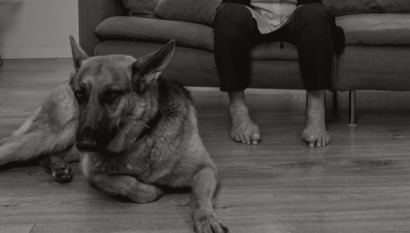
Dogs are some of the most popular and beloved pets in America. While many people love dogs, they are still animals that can attack or bite, causing serious injuries. Dog bite injuries can be very painful and sometimes produce lasting consequences, especially if the victim was a child.
If you or your child was injured in a dog bite accident, you’re likely dealing with some of those consequences now. You may be facing surprise medical expenses or a sudden loss of income and wondering what you should do.
The Atlanta dog bite injury lawyers at Butler Kahn want to provide you with the information you need to make important decisions and reduce your stress levels during this difficult time. If you’re suffering from the effects of a dog bite accident, we want to help you get back on your feet. We have some of the best dog bite lawyers in Atlanta.
Please get in touch with a dog bite lawyer at our law firm when you are ready to discuss your situation. We can review your case and outline your best options for going forward. The consultation is free.
Who is Responsible for a Dog Bite Injury in Atlanta?
Georgia’s Responsible Dog Ownership Law tells us that dog owners can be held liable if their dogs “seriously injure” other people or animals.
A serious bite injury, in this case, is more than a small nip or minor scratch. Serious injuries are defined as those carrying a significant risk of death or those that require major medical treatments like sutures or surgery.
It is also important to note that, under the law, a dog’s “owner” is the person who possesses, harbors, or has “custody” of the dog. This means pet-sitters, veterinarians, and groomers may be held responsible for dog bite attacks that happen under their care.
If the dog in a dog bite accident is owned by a minor, the child’s parent or guardian may be considered legally responsible for the dog and can be held responsible for any related damages.
When an injured person pursues damages in a dog bite injury claim, they typically seek monetary compensation from insurance providers rather than individuals. Homeowner’s insurance and other liability coverage may cover dog bite claims. Oftentimes, the owner of the dog that bit you is a friend, neighbor, or family member. You may be hesitant to pursue compensation. It’s important for you to know that the dog owner is usually not footing the bill for the injuries themselves.
Coverage may be available from:
Homeowners or renters insurance claims
Commercial liability coverage (if, for example, a groomer or border was in control of the dog at the time of the attack)
Workers’ compensation insurance claims (if the dog bite happened while the victim was performing the regular duties of their job)
Pet liability insurance claims (if the pet owner has this type of coverage)
Types of Atlanta Dog Bite Incidents
There are two main categories of dog bites. The first is dog bites from dogs who have never previously bitten or displayed aggressive behavior toward others. Even seemingly gentle dogs are capable of biting.
Under Georgia’s so-called “one bite rule,” dog bite victims need to prove that a dog’s owner knew or reasonably should have known that the dog had a tendency to bite and then subsequently failed to restrain the dog. If a dog had no previously aggressive tendencies, an owner could still be liable for bite accident injuries if they occurred while the dog was loose and in violation of local leash ordinances.
The second category is dog bites from dogs who have previously been recognized or reasonably should have been recognized as “dangerous” or “vicious.” It is worth noting that dogs that have not previously bitten others may still be labeled “dangerous” under the law if they have demonstrated a threat of inflicting serious injury.
Owners of dangerous and vicious dogs are subject to strict legal requirements. Among other requirements, these owners are expected to post warning signs around their properties, keep their dogs in securely locked areas, and notify authorities promptly if their dogs attack or run loose. Owners who don’t follow these requirements can be charged with misdemeanor violations. If their dogs end up causing serious injury, they may face felony charges as well. Our Atlanta dog bite lawyer can help.
Atlanta Dog Bite Laws
According to Georgia dog bite statutes, victims must prove three things to be eligible for compensation:
The owner of the animal acted carelessly in allowing the dog to go free.
The dog in question is vicious or dangerous.
The victim did nothing to provoke the dog.
Georgia does not impose statewide leash laws on dog owners, but many Georgia counties and cities have local ordinances that set out rules for restraining dogs. When dogs bite or seriously injure people in violation of local leash ordinances, their owners could be considered legally responsible for the accident. For example, in DeKalb County within the city of Atlanta, owners are required to keep control of their dogs by:
Securing them inside when unattended.
Having them on a leash while outdoors.
Keeping them near someone whose commands the dog will obey, if outdoors.
Enclosing them safely within a vehicle.
If a dog has displayed previous tendencies to bite or behave aggressively, the owner is expected to be aware that their dog is considered dangerous or vicious. Under Georgia law, a “dangerous” dog is one that has:
Displayed behavior aggressive enough for someone to reasonably assumes that the dog poses a threat. Behaviors like barking, growling, or baring teeth are not considered unusually aggressive on their own.
Bitten a person hard enough to puncture skin without causing serious injury.
Inappropriately killed another pet animal outside of the owner’s property.
A “vicious” dog is defined as one that previously:
Directly inflicted serious injury on a person.
It caused a person to suffer a serious injury during a reasonable attempt to escape from the dog’s attack.
How Our Atlanta Dog Bite Lawyers Can Help After an Animal Attack
Georgia’s dog bite laws are some of the most complicated in the United States. If you or your child are a victim of a dog bite injury, you should be focusing on healing rather than deciphering intricate legal codes or insurance policies. Experienced Atlanta dog bite lawyers like Butler Kahn can help you navigate the claims process and build the most persuasive case possible. Contact our dog bite attorney in Atlanta today.
Ways our attorneys may be able to help include:
Investigating the incident – We take great care in evaluating the details of your case and the relevant laws or policies that may affect it.
Gathering evidence – Strong cases are built on strong evidence. Eyewitness interviews, injury photographs, and medical bills may all be used as evidence, for example.
Communicating on your behalf – Many accident victims worry about making statements when filing claims. To help you avoid saying something that could harm your claim, your lawyer will handle all communications with insurance companies on your behalf.
Negotiating for compensation – After building a strong case, your attorney can negotiate from a position of strength for a settlement that covers your losses.
Managing legal documents – As a part of the process, your lawyer may prepare documents such as demand letters, legal complaints, or spoilation letters to preserve evidence.
Representing you in court – If your dog bite injury case goes to trial, your lawyer will represent you in court and advocate for your rights and interests.
Treatment and Complications from Dog Bite Injuries
Some of the most common injuries and complications from dog bites include:
Puncture wounds
Broken bones
Eye injuries
Scars and disfigurement
Facial injuries
Nerve damage
Pain and emotional suffering
Viral infections like rabies
Bacterial infections like MRSA
Treatment for these types of injuries or side effects may involve:
Cleaning and bandaging wounds
Stitches, for deep tears
Surgical intervention
Casts or metal bone inserts for fractures
Therapy for mental or physical rehabilitation
Antibiotic or antiviral prescriptions
Booster vaccination shots
Compensation for Injuries in Dog Bite Cases in Atlanta
Victims of dog bite injuries commonly seek compensation for:
Immediate medical expenses
Future medical bills
Loss of current wages
Future loss of wages
Property damage caused by the incident
Other expenses, such as travel to medical care appointments
Pain and suffering
Loss of quality of life
What to Do If You’ve Been Bitten by a Dog
Seek medical attention. This is a crucial step and will likely be the first thing on your mind. If a bite injury is serious enough to puncture the skin, medical treatment is almost certainly necessary. Even if your injury isn’t all that painful, it’s important to determine whether the dog that bit you was vaccinated or might be infectious.
Identify the dog and its owner. Exchange information with the dog’s owner in case you need to contact them later to file an insurance claim. Get vaccination records for the animal. Ask for contact information from any witnesses.
Take pictures. Photographic evidence of wounds or any other visible marks can be valuable in a dog bite claim. Gathering any other available evidence from the scene of the accident as well.
Contact animal control. Animal control agencies may conduct their own investigation, which could help your case. If the dog’s owner is unknown, animal control may be able to help locate the owner.
Contact an attorney. An Atlanta dog bite lawyer on your side will look out for your best interests and help you navigate the complexities of a personal injury claim or lawsuit.
How Long Do You Have to File a Dog Bite Injury Claim?
In Georgia, personal injury cases, like those involving dog bite injuries, are subject to a two-year Statute of Limitations. This means that if you suffered a dog bite injury, you have two years from the date of the bite incident to file your case in court.
It’s a good idea to retain the services of a skilled dog bite accident lawyer as soon as possible after the incident. It takes time to investigate a dog bite case and negotiate with insurance companies to seek a fair settlement. If a fair settlement can’t be reached and you wish to take your case to court, you must file the lawsuit before the statute of limitations expires. If you miss that deadline, it’s almost certain that your case will be thrown out by the court, unless a very narrow exception applies.
Talk to a Dog Bite Injury Lawyer in Atlanta Now
Butler Kahn handles serious injury cases in Atlanta and throughout the state of Georgia. We help victims recover from all types of accidents by building meaningful relationships and preparing strong cases.
We offer free consultations and do not charge legal fees unless we recover compensation. If you’re interested in having us review your case, please call us at the phone number below or send us a message online now.
We serve all areas of Atlanta, including Brookhaven, Druid Hills, Buckhead, Chastain Park, Garden Hills, Piedmont Heights, Midtown, Downtown Atlanta, Grove Pak, Inman Park, South Atlanta, East Atlanta Village, West End, and Atlantic Station.
FAQ's About Dog Bites in Atlanta
Yes. Georgia law allows dog bite victims to recover compensation from the dog’s owner or the person responsible for the animal at the time of the attack. You typically need to show the owner knew or should have known the dog was dangerous, or that the owner violated a local leash ordinance. An experienced Atlanta dog bite lawyer can evaluate whether you have a valid claim.
Georgia follows a modified one-bite rule, meaning owners may not be strictly liable for a first bite if they had no reason to know their dog was dangerous. However, owners can still be held liable if they were negligent in controlling their dog or violated leash laws. Once a dog has shown aggressive tendencies or bitten someone, the owner is presumed to know of the danger
The value of a dog bite claim depends on the severity of your injuries, the extent of your medical treatment, whether you have permanent scarring or disability, your lost income, and the impact on your quality of life. Claims for serious bites requiring surgery or causing permanent disfigurement are typically worth significantly more than claims for minor injuries.
In most cases, yes. Homeowner’s and renter’s insurance policies typically include liability coverage that pays for injuries caused by the policyholder’s dog. This means you’re usually seeking compensation from an insurance company, not directly from your neighbor or friend. Some policies exclude certain breeds or dogs with prior bite history.
If a stray dog bites you, identifying a liable party can be challenging. However, you may have a claim against a property owner if the attack occurred on their premises and they failed to address a known stray dog problem. Animal control reports and witness statements become especially important in stray dog cases.
Georgia follows a modified comparative negligence rule. You can recover compensation as long as you were less than 50% at fault for the incident. Your recovery is reduced by your percentage of fault. For example, if you’re found 20% responsible, you can recover 80% of your damages.
If you were bitten by a dog while performing work duties—such as a delivery driver, postal worker, or home healthcare worker—you may be eligible for workers’ compensation benefits. You may also have a separate personal injury claim against the dog’s owner. An attorney can help you understand your options.
Yes. Reporting the bite to Fulton County Animal Services or your local animal control agency creates an official record of the incident. Animal control may investigate the dog’s vaccination status and history, quarantine the animal, and classify it as dangerous. This documentation can support your legal claim.
Many dog bite claims settle within several months to a year through negotiations with insurance companies. Cases that go to trial typically take longer, potentially one to two years or more. The timeline depends on the complexity of your case, the severity of your injuries, and whether liability is disputed.
While you’re not required to have a lawyer, an experienced dog bite attorney can significantly improve your chances of recovering fair compensation. Insurance companies often try to minimize payouts to unrepresented victims. A lawyer handles all negotiations, gathers evidence, and can take your case to trial if necessary.
If the dog owner lacks homeowner’s or renter’s insurance, you may need to pursue a claim directly against the owner’s personal assets. In some cases, other parties may be liable, such as a landlord who allowed a dangerous dog on the property. An attorney can identify all potential sources of recovery.
Landlords may be liable for dog bites if they knew a tenant’s dog was dangerous and failed to take action, or if they had the right to remove the dog under the lease. Georgia courts consider whether the landlord had actual knowledge of the dog’s dangerous propensities.
Animal control may quarantine the dog to observe for rabies, typically for 10 days. Depending on the severity of the attack and the dog’s history, authorities may classify the dog as dangerous or vicious, requiring the owner to meet strict containment requirements. In extreme cases involving unprovoked serious attacks, a court may order the dog to be euthanized.
Butler Kahn handles dog bite cases on a contingency fee basis. This means you pay no legal fees unless we recover compensation for you. We also offer free initial consultations to evaluate your case and explain your options.
Important evidence includes photographs of your injuries, medical records and bills, the dog owner’s contact and insurance information, animal control reports, witness statements, and documentation of the dog’s history. Preserve the clothing you were wearing during the attack. Your attorney can help gather additional evidence to support your claim.
Under O.C.G.A. § 9-3-33, Georgia personal injury cases are subject to a two-year statute of limitations. This means you have two years from the date of the dog bite to file a lawsuit in court. For injuries to minors, the deadline may be extended. Contact an attorney as soon as possible to protect your rights.
Jeb ButlerState Bar: #116955
Jeb Butler’s career as a Georgia trial lawyer has led to a $150 million verdict in a product liability case against Chrysler for a dangerous vehicle design that caused the death of a child, a $45 million settlement for a young man who permanently lost the ability to walk and talk, a $3,973,260 settlement after a boating accident, and a $1,250,000 settlement in a pedestrian case, and numerous other verdicts and settlements, many of which are confidential at the defendant’s insistence. Jeb has worked on several cases that led to systemic changes and improvements in public safety. He has been repeatedly recognized as a Georgia SuperLawyer and ranks among Georgia’s legal elite. Jeb graduated in the top 10% of his class at UGA Law, argued on the National Moot Court team, and published in the Law Review. He is the founding partner of Butler Kahn law firm. Connect with me on LinkedIn