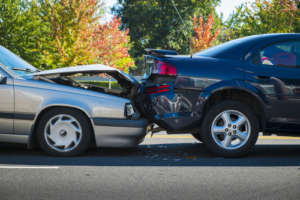
Multi-vehicle accidents can occur anywhere in Atlanta: on highways, two-lane roadways, interstates, and high-speed roadways. These crashes cause severe injuries and loss of life, and sorting through the resulting medical bills and insurance claims can feel like a nightmare.
If you were hurt in a multi-vehicle accident, we hope you are receiving the medical care you need and are recovering. You might find the information on this page helpful. The Atlanta multi-vehicle accident lawyers with Butler ǀ Kahn could help you understand your legal options to make an informed decision about the next steps. If you have specific questions about your case, contact us for a free consultation.
What Are the Causes of Multi-Vehicle Accidents in Atlanta?
A multi-vehicle accident, also known as a pile-up or chain reaction collision, is a type of traffic accident involving more than two vehicles. Determining the cause of a multi-vehicle accident can be challenging, and more than one factor can lead to such a crash.
Common causes of multi-vehicle accidents in Atlanta include:
Distracted driving: Distracted driving occurs when a driver engages in any activity that takes their attention away from the road, such as texting, talking on a phone, eating, applying makeup, or adjusting a navigation system. According to the National Highway Traffic Safety Administration (NHTSA), distracted driving was a factor in over 3,500 fatal crashes in a year.
Drunk driving: Intoxication affects a driver’s ability to make sound judgments, react to changes in road conditions, and assess risks properly. Drunk driving impairs motor skills, which could cause drivers to swerve, weave, or lose control of their cars.
Drowsy driving: Drowsy driving can impair a driver’s ability to react to changing road conditions, recognize hazards, and make decisions quickly. Drowsy driving is estimated to contribute to tens of thousands of accidents and fatalities on the road each year.
Speeding: Driving too fast for traffic and weather conditions or exceeding the posted speed limit is a common factor in Atlanta car accidents. A driver may lose control of their vehicle at high speeds more easily, particularly when going around corners or making sudden maneuvers.
Tailgating: Tailgating drivers have less time to react to sudden changes in the speed or direction of the vehicle in front of them. Following too closely also limits the tailgating driver’s view of the road ahead, increasing the risk of a collision.
What Are Some of the Common Injuries from a Multi-Vehicle Accident?
Multi-vehicle accidents are particularly dangerous because of the multiple impacts when additional vehicles slam into those that have already crashed. Some common injuries that may result from a multi-vehicle accident include:
Whiplash: This soft tissue injury occurs when the neck rapidly jerks back and forth. It is a common injury in rear-end collisions.
Brain injuries: Brain injuries, including concussions and traumatic brain injuries, can result from a multi-vehicle accident when a person’s head hits the steering wheel, dashboard, or any other object.
Back and neck injuries: Common back and neck injuries include sprains and strains of back muscles, ligaments, and herniated discs. A herniated disc occurs when the soft cushion between the vertebrae in the spine bulges out, putting pressure on the nerves in the back.
Spinal injuries: Spinal cord injuries can occur when the spinal cord is compressed or severed in a multi-vehicle accident. These injuries can result in partial or complete paralysis.
Internal injuries: Blunt force trauma from a multi-vehicle accident can cause internal injuries such as organ damage, internal bleeding, and bruising.
Broken bones: Fractures can occur in any part of the body due to the force of impact in a multi-vehicle accident. The most common areas for fractures are the arms, legs, and ribs.
Who Can Be Held Liable for a Multi-Vehicle Accident?
A multi-vehicle accident typically begins when a driver crashes into another vehicle, setting off a chain reaction of additional collisions. When vehicles travel at high speeds or are close together (as in rush hour traffic), there can be a long chain of damaged cars and injured people.
Potentially at-fault parties for a multi-vehicle accident include:
The driver who caused the initial accident
Other drivers who may have contributed due to reckless or negligent driving behavior
A vehicle manufacturer, if a part malfunction caused the initial crash
What If I Am Partly At Fault for the Accident?
Determining liability in a multiple-vehicle accident is complicated. In our experience as Atlanta car accident attorneys, two or even more parties often share responsibility in a multi-vehicle crash.
In Georgia, you can seek compensation for an accident if you are less than 50 percentat fault. You don’t have to know complex state statutes. Instead, talk to an Atlanta multi-vehicle accident lawyer at Butler ǀ Kahn. We can help you understand your legal options.
Should I See a Doctor After the Accident Even If I Feel Fine?
Many injuries sustained in accidents, such as whiplash, internal bleeding, or concussions, may not immediately manifest symptoms. Delaying medical attention can result in more severe complications down the line, which can be challenging to treat.
Additionally, seeing a doctor after an accident creates a record of your injuries, which can be helpful if you decide to pursue a personal injury claim later. Even if you do not think you will pursue legal action, having a medical record in case your symptoms worsen over time is still a good idea.
How Long Do I Have to File a Car Accident Claim in Georgia?
Georgia’s statute of limitations allows a two-year window to file a lawsuit against the party responsible for your injuries. Talk to a lawyer right away because:
It takes time to gather evidence, interview witnesses, and review crash data from law enforcement, especially in a multi-vehicle accident.
Your attorney will compile your medical records and possibly talk to your healthcare provider about the extent of your injuries and anticipated outlook.
Your lawyer will likely pursue full compensation through an insurance settlement before filing a lawsuit.
Contact an Atlanta Multi-Vehicle Accident Lawyer
If you are reading this page because you or a loved one has been hurt in an auto accident, we hope you’re getting the medical care you need. If you’d like to talk with us about your situation, call us or contact us online. There is no charge to talk with us about your case.
Frequently Asked Questions
Pile-ups usually start with one triggering error — distracted driving, drunk or drowsy driving, speeding, or tailgating — that sets off a chain reaction as following vehicles can’t stop in time. NHTSA data shows distracted driving alone contributes to thousands of fatal crashes nationally each year, and in dense traffic corridors like Atlanta’s, a single moment of inattention can quickly cascade into a five- or six-car collision.
Because pile-ups often involve repeated impacts as additional cars slam into an already-crashed group, injuries tend to run more severe than in a standard two-car collision. Whiplash, concussions and traumatic brain injuries, herniated discs, spinal cord damage, internal organ injuries, and fractures are all common, with the specific mix depending on where in the chain a given vehicle ends up.
The driver who caused the initial collision usually bears significant responsibility, but other drivers who reacted negligently or recklessly once the chain reaction started can share liability too. A vehicle manufacturer can also become a defendant if a part malfunction — brake failure, a tire blowout — triggered the first impact rather than driver error.
You can still pursue compensation as long as you’re found less than 50% at fault, which is the threshold under Georgia’s comparative negligence rule. Multi-vehicle crashes are notoriously complicated to untangle fault-wise — it’s common for two or more drivers to share blame — so having an attorney sort out exactly how responsibility gets divided matters more here than in a simpler crash.
Yes — injuries like whiplash, internal bleeding, and concussions frequently don’t produce symptoms right away, and delaying care can let a manageable injury turn into a more serious complication. Seeing a doctor promptly also creates a medical record tied to the accident date, which matters even if you’re not sure yet whether you’ll pursue a claim.
Georgia’s statute of limitations gives you two years from the date of the accident to file a lawsuit under O.C.G.A. § 9-3-33. That window can feel generous, but multi-vehicle cases take real time to build — gathering crash data, interviewing witnesses across several vehicles, and compiling medical records — so starting early gives an attorney room to negotiate a fair settlement before that deadline forces a rushed filing.
A chain-reaction accident, sometimes called a pile-up, happens when one collision triggers a sequence of additional impacts as following vehicles are unable to stop or swerve in time. These crashes are most common on highways and interstates during heavy traffic, poor visibility, or sudden braking events, where vehicles are traveling close together at higher speeds.
Investigators typically reconstruct the sequence of impacts using police reports, black box data, dashcam or traffic camera footage, and witness statements from drivers scattered across multiple vehicles. Because a pile-up can involve several distinct collisions happening within seconds of each other, fault often ends up allocated differently to different drivers depending on which specific impact caused which specific injury.
Yes — Georgia law allows a single lawsuit to name multiple defendants when more than one party contributed to the same accident. This is often more efficient than filing separate claims against each driver, and it lets a jury or judge weigh each defendant’s share of fault against the others in one proceeding rather than piecemeal.
If a driver responsible for part of the pile-up is uninsured or underinsured, your own uninsured/underinsured motorist (UM/UIM) coverage can help fill the gap, provided you carry it. In a multi-vehicle case with several potentially liable drivers, an attorney will often pursue each driver’s policy in turn, so a shortfall from one at-fault party doesn’t necessarily mean a shortfall in your total recovery.
Matt Kahn State Bar: #279286
Matt Kahn is an Atlanta personal injury lawyer and a partner at the law firm Butler Kahn. Matt has dedicated his career to fighting for individuals and families who had been harmed by the negligence of others. At Butler Kahn, he has had the honor of helping families who have lost children in motor vehicle accidents and people who were critically injured. He helped a family secure a $45 million settlement to provide lifetime care for their son, who was critically injured in a motorcycle accident, a $40 million settlement in a guardrail case, a $30 million settlement in a pedestrian case, a $3.5 million settlement in a sexual assault case. Matt is a graduate of Emory University School of Law and has been recognized as a Super Lawyers’ Rising Star and by Best Lawyers as One to Watch. He has received an Avvo 10.0 Top Attorney rating. Connect with me on LinkedIn